Downtown Toronto
Condos, walkability, work access, transit and a fast-paced city lifestyle.
Explore →
Toronto has hundreds of recognizable neighbourhood names — but buyers need a clear way to narrow the city. Start with the major districts, then compare lifestyle, commute, housing type and budget before choosing individual neighbourhoods.
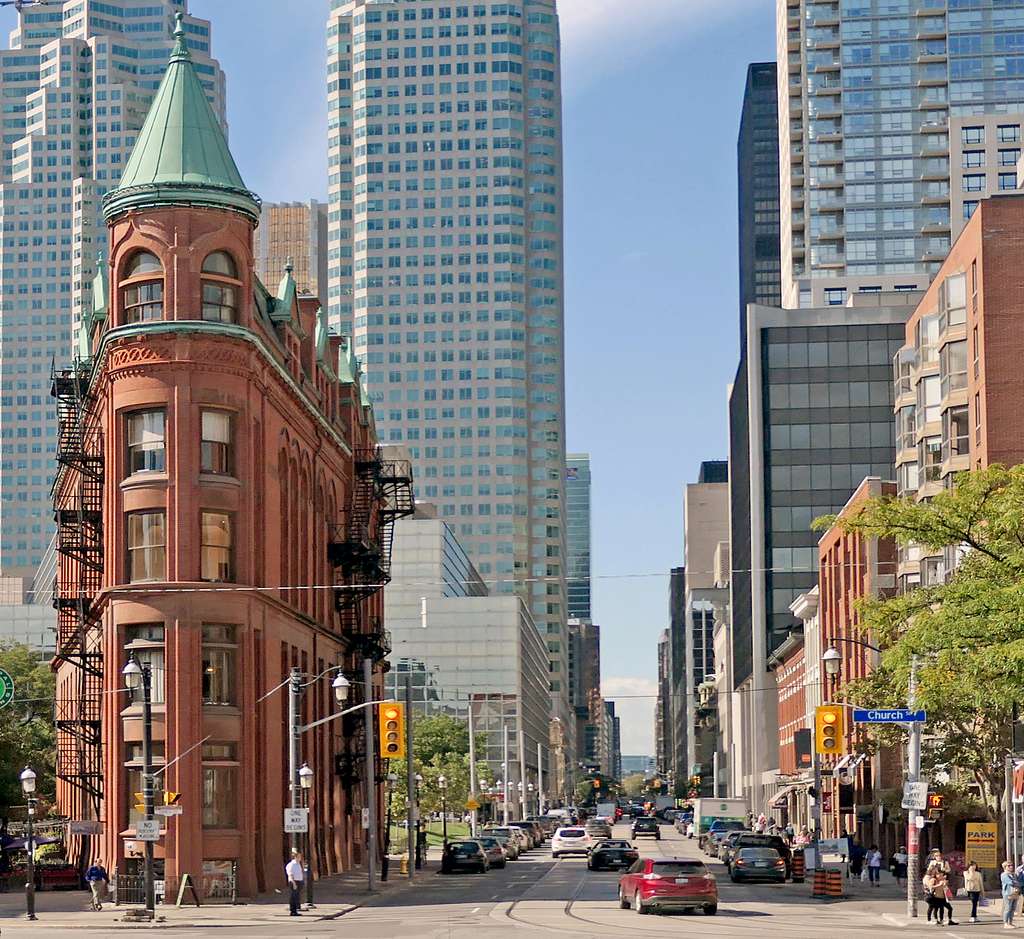
The City of Toronto officially uses 158 social planning neighbourhoods for data and planning, but buyers usually think in broader zones first: downtown, west end, east end, midtown, North York, Scarborough and Etobicoke. This page is built to help you start broad, then narrow down.
Toronto is too large to approach as one housing market. The same budget can mean a condo downtown, a semi in an east-end pocket, a townhouse in North York, or a detached home farther east or west.
Toronto works best when you begin with your lifestyle priorities — commute, walkability, space, family needs, condo living or long-term value — then narrow to specific neighbourhoods.
Toronto is not one market. It is a collection of micro-markets where the right choice depends on your exact trade-off: centrality, space, schools, transit, housing type, lifestyle and long-term value.
These are not meant to replace individual neighbourhood pages. They are the “first sort” — the easiest way to understand where your search should begin before narrowing down to specific neighbourhoods.
Condos, walkability, work access, transit and a fast-paced city lifestyle.
Explore →Restaurants, parks, transit, character homes and strong neighbourhood identity.
Explore →Family-oriented pockets with charm, parks, transit access and strong community feel.
Explore →Balanced lifestyle with subway access, schools, condos and established neighbourhoods.
Explore →Condos, detached homes, strong transit corridors, highways and family communities.
Explore →Lakefront living, mature family neighbourhoods, detached homes and west-end access.
Explore →More space, relative value, ravines, diverse communities and long-term transit upside.
Explore →Bungalows, semis and detached homes near the Danforth, with parks, ravines and quick DVP access.
Explore →Leafy family streets, well-regarded schools, Bayview Avenue shops and the new Crosstown LRT.
Explore →More affordable detached and semi-detached homes, with Eglinton Crosstown and UP Express access.
Explore →After you understand the big areas, the next step is matching your search to the kind of home and lifestyle you actually want. This makes Toronto feel less overwhelming and helps you avoid comparing neighbourhoods that serve totally different needs.
In Toronto, the same budget can mean very different things depending on property type. Start here before choosing exact neighbourhoods.
Toronto neighbourhoods can feel completely different even when they are close together. Lifestyle should guide the shortlist.
Commute is one of the biggest Toronto decision factors. A neighbourhood that looks close on a map may not feel close day to day.
Toronto affordability is less about one city-wide average and more about matching budget to area, property type and trade-offs.
Thomas Team tip: Don’t start with “best neighbourhood.” Start with your non-negotiables: home type, commute, budget and lifestyle. Then your shortlist becomes much clearer.
Get Local AdviceToronto is easier to navigate when you start with the buyer profile rather than a giant neighbourhood list.
Downtown, West End, East End and Midtown are strong starting points if you want transit, restaurants and daily convenience.
East York, North York, Etobicoke, High Park, Leaside and The Beaches are common family-oriented search areas.
Scarborough, Etobicoke and parts of North York often offer more space or better entry points than the central core.
Downtown, Midtown, North York Centre and Humber Bay Shores are strong condo search areas.
Scarborough, Etobicoke and North York are the strongest starting points for more house, larger lots or car-friendly living.
West End, East End, Beaches, Roncesvalles, Leslieville and Port Credit-adjacent west access attract lifestyle-driven buyers.
Want to test Toronto affordability? Use our mortgage calculator before narrowing down neighbourhoods by property type.
Mortgage CalculatorThis table is not about naming a “best” district. It is about understanding trade-offs before choosing individual neighbourhoods.
| Buyer Priority | Downtown / Core | North York | Scarborough | Etobicoke |
|---|---|---|---|---|
| Walkability | Strongest overall | Strong near subway nodes | Varies by pocket | Strong in select areas |
| Relative Value | Lowest value / highest competition | Mixed by pocket | Often strongest | Mixed, strong pockets |
| Family Space | Premium pricing | Strong family options | Strong for space | Strong west-end options |
| Condo Lifestyle | Very strong | Strong on subway corridors | Emerging / value oriented | Strong near Humber Bay |
| Transit | Strongest network | Strong on subway lines | Varies by area | Strong in select corridors |
Our take: buyers get overwhelmed in Toronto because they start with too many neighbourhoods at once. Start with your non-negotiables — commute, housing type, space, school needs and lifestyle — then narrow to the right pocket. In Toronto, the “best” neighbourhood is rarely universal. It is the one where your trade-offs make sense.
Averages are especially dangerous in Toronto because neighbourhoods, housing types and transit access can change the story completely.
The closer you are to transit, work, restaurants and lifestyle amenities, the more you pay — especially for family-sized homes.
More space often means a longer commute, more car dependence or fewer walkable amenities — but it can also mean better long-term livability.
A Toronto budget can mean very different things: a downtown condo, an east-end semi, a Scarborough detached or an Etobicoke townhouse.
Tell us your budget, commute, ideal home type and lifestyle priorities — we’ll help you narrow the city into a realistic shortlist.
Toronto’s real estate market is highly segmented. Condos dominate many central and transit-oriented areas, while semis, townhomes and detached homes become more common outside the core. Pricing is heavily influenced by transit access, school reputation, lot size, renovation quality, walkability and proximity to parks, restaurants or employment hubs.
Transit is one of the biggest factors in Toronto home searches. Subway access can dramatically change a neighbourhood’s appeal, while GO Transit, streetcars, buses, bike lanes and highway access all matter depending on your commute. Buyers should evaluate the real daily route, not just the map distance.
Toronto offers a wide range of family and lifestyle options. Some buyers prioritize school catchments and detached homes; others prioritize walkability, condo amenities, nightlife or access to parks and trails. The right neighbourhood depends on the daily life you want to build.
The City of Toronto currently uses 158 social planning neighbourhoods for data, planning and service analysis. Toronto also has many historical, cultural and informal neighbourhood names that residents use every day.
A practical way to understand Toronto is through major areas: Toronto and East York, North York, Scarborough and Etobicoke. Buyers also often think in terms of downtown, west end, east end, midtown, North York, Scarborough and Etobicoke.
The best area depends on your destination. Downtown and midtown are strongest for subway and walkability. North York can work well along subway corridors. Scarborough and Etobicoke vary by pocket, GO Transit access and highway routes.
First-time buyers often compare condos and townhomes in North York, Scarborough, Etobicoke, downtown and emerging east or west-end pockets. The right choice depends on budget, commute and whether you prioritize centrality or space.
Yes, Toronto has many family-friendly neighbourhoods, especially where buyers can access schools, parks, transit and family-sized homes. The challenge is usually balancing budget with location and home type.
Toronto may be the better fit if you prioritize transit, walkability and proximity to work or lifestyle amenities. GTA suburbs may be better if you prioritize space, newer homes or a lower price per square foot. The right choice depends on your budget and daily routine.
North York is part of the City of Toronto. York Region is a separate regional municipality north of Toronto and includes places like Vaughan, Markham, Richmond Hill, Aurora and Newmarket. North York should be included under your Toronto guide, while York Region should have its own separate hub.
East York is a former municipality that is now part of Toronto. Some buyers search East York directly, but many think of nearby areas through labels like East End Toronto, Danforth, Riverdale or Leslieville. For a hub page, East End Toronto is usually more intuitive, with East York handled as a deeper neighbourhood or sub-area page.